Sunday, June 2, 2013

Last Sunset in Istanbul


We went out for a Sunset Dinner over Istanbul for our last night in Istanbul. The picture above is the Blue Mosque after sunset. We are packing as I blog and will catch airplane in 5 hours. Hope you have enjoyed blogs and look forward to seeing you soon.

Wednesday, May 29, 2013

Gobekli Tepi


We visited Gobekli Tepi, the world's oldest temple. For interesting story read the link www.newyorker.com/reporting/2011/12/19/111219fa_fact_batuman .

This temple is dated to aprox. 12,000 BC. It predates any alphabets known to scholars. Much is conjecture but it is archeological evidence of the earliest religion known to anthropologists. The site is in Eastern Turkey, which is more conservative than the west. We were just a few miles from the Syrian border and saw refugee camps in the area.

Saturday, May 25, 2013

Mountain Bike Ride in Canyon


This region of Cappadocia is very exotic. Steven Spielberg filmed episodes of Star Wars here because of these exotic rock formations. We rented mountain bikes and took a 20 mile ride through three different canyons. This particular canyon is filled with these phallic rock formations and called love valley. This area is great for hiking, biking, climbing and wine. Early Christians hid out in these canyons and escaped Roman persecution. Cave churches are decorated with welled preserved blue and red frescos depicting scenes from the annunciation to the death and resurrection of our Lord Jesus Christ. The earliest civilization on record is the Hittites from 3000 BC.

Thursday, May 23, 2013

CAPPODOCIA


Visiting Goreme Open Air Museum in Cappodocia. This is a Unesco World Heritage Site. Early Christian Ascetics formed communities here and built churches, homes, cities in caves. The rock formations are beautiful as well as exotic. The frescos that are in the cave churches tell the biblical stories with particular emphasis on the life of Jesus. Will tour the area for the next two days.

Tuesday, May 14, 2013

Seven Churches of The Revelation

We are visiting the seven churches of the Revelation as well as many places Paul visited. These two pictures are representative of incredible artifacts from antiquity. The first is a Library in Ephesus and the second is an amphitheater in Hierapolis, which is close to Colossae and Laodicea. Both have undergone renovation and are in great shape. This amphitheater is in such good shape that you can see where the lions were housed below the stage to entertain crowds with gladiator displays. Early Historian, Irenaeus, tells us that Papias was Bishop of Hierapolis. Papias passed on important tradition which dates to 125 AD. We are going to spend four days on Lycian Way and will be off line. Will catch up when able.


Wednesday, May 8, 2013

Anastasia fresco


This Fresco is in the church St. Saviour in Chora. The building has some of the best preserved examples of Byzantine mosaics and frescos in the world. I particularly like this one because of its depiction of the resurrection with Jesus grabbing the hands of the dead and pulling them into new life. Anastasia is one of the Greek words for resurrection.

Museum of Archeology

We visited Istanbul's Museum of Archeology and we able to get a broad introduction to the history, culture and religion of Turkey from prehistoric to modern day. The top piece is from the sarcophagus of Alexander the Great, however Alexander was not buried in it. The bottom piece is the Roman statue of the god Bes. Lots to take in.

Saturday, May 4, 2013

Hagia Sophia- Istanbul


Istanbul at one time was the central city for Christendom. At that time it was called Constantinople. It was the center of four Empires . The history here is so rich because it is the crossroads where East meets West. It is also a place where Islam and Christianity have switched back and forth depending on who conquered whom. Hagia Sophia, originally a church, then converted to a mosque and now a Museum tells the story better than any words can express. The Icon of Christ alongside the Islamic Calligraphy demonstrates the rich religious history. We are learning much about the history of Islam in Turkey as well as how it is practiced in a democracy and by well educated people.

Wednesday, May 1, 2013

Oasis of Peace

We are visiting this village called Neve Shalom--Wahat al-Salam, "Oasis of Peace". I first heard about it through a Bill Moyers documentary on this community. They are a village of Jews and Palestinian Arabs of Israeli citizenship. The members are demonstrating the possibility of coexistence between Jews and Palestinians by developing a community based on mutual acceptance, respect & cooperation. They have many programs that bring people together of different faith traditions, ideologies, ethnicities and give them a safe place to listen to others and express their own views. A model that I call hospitality. Many are secular in their religion. They are committed to peace, justice and reconciliation in an environment that is headed in the opposite direction. It is so interesting to talk to them and learn of their journey. They have an elementary school of 200+ that starts at preschool age to model a different way.

Tuesday, April 30, 2013

Caesarea National Park

This was excavated at Caesarea and was able to see it while we visited the Unesco Site of Caesarea National Park. The Inscription mentions Emperor Tiberius on the first line and Pontius Pilate on the second. It is the only archeological evidence for the governorship of Pontius Pilate in Palestine that dates back to the First Century. This site is where Herod built an incredible Palace, Temple to Augustus, Hippodrome, Theater etc. all on the Mediterrianian Sea. The site is one of my favorites in Israel.

Sunday, April 28, 2013

Marc Chagall Exhibition


"I did not see the Bible, I dreamed it. Ever since early childhood, I have been captivated by the Bible. It has always seemed to me and still seems today the greatest source of poetry of all time." Chagall. Went to an exhibition of Marc Chagall in Haifa and was impressed by his ability to capture biblical themes in creative ways. His paintings and drawings express biblical themes, contemporary Judaism, and the Holocaust in such a way as to captivate your imagination. His childhood was filled with the Hasidic Jewish Religion and Culture of his small Lithuanian Village. This quote expresses his sentiments.

Saturday, April 27, 2013

AKKO

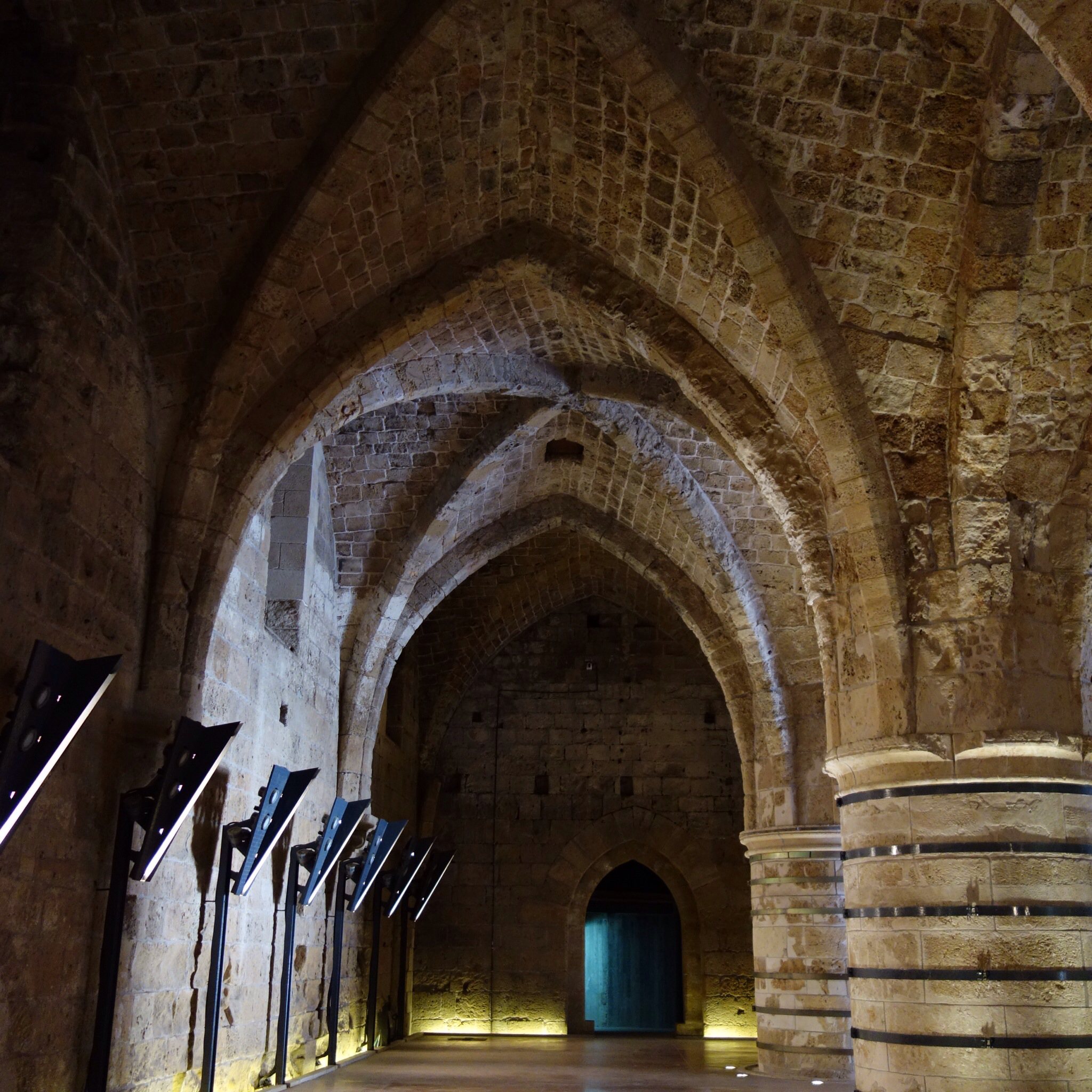
We visited Acre (Akko) , An Unesco site on the Northern part of the Mediterranean Sea that is very close to the border of Lebanon. The history here is so varied and rich. The Apostle Paul came through this port on route to Ceasarea when the city was named Ptolemais. This huge hall is from the Crusader Era, when the city served as an important port and fortification for crusaders to conquer the Holy Land. Good place to film an episode of the Tales of 1001 Arabian Nights.


Friday, April 26, 2013

Hiking Galilee


We spent the last six days hiking from Nazareth to Capernaum. With side trips to see towns mentioned in the Gospels, we averaged about ten miles a day. It was so nice to be able to get a feel for the topography and difficulty that Jesus and his disciples experienced when traveling around Galilee. These photos are typical of region. This area reminds me so much of Chelan, Washington. Galilee is a region that is made up of a large body of water, steep hills, a few mountains and productive agricultural land.

Wednesday, April 17, 2013

Caesarea Philippi

We visited the modern day area of Banias. This Nature Reserve area is referred to in the Bible as Caesarea Philippi and is the place where Jesus took his disciples for a "retreat" and discussed with them who the general public thought Jesus was. This is where Peter confessed that Jesus was the Messiah, the Son of God. The area is so lush and beautiful. We saw a wild boar in the bushes while hiking. This is one of the headwaters of the Jordan River.

Monday, April 15, 2013

The Qumran Community

This is the cave where the Dead Sea Scrolls where found. There is a small Musuem here along with the excavation of the community dwellings. This community was a sect of Judaism that was at odds with the Temple Priests in Jerusalem. Scholars are still speculating on exactly who they were and their relationship to the other "denominations" of Judaism when Jesus preached, taught, healed, was crucified and resurrected. Scholars do agree that the scrolls were the greatest archeological discovery of the twentieth century. Judaism was and is a diverse community of faith.

Saturday, April 13, 2013

Bethlehem, Jesus' Place of Birth

This picture was taken in Bethlehem at the Church of the Nativity. We waited in line for about an 1.75 hours. While in line we were pushed and shoved towards the back of the church. We went down a flight of stairs and in this ornate cave was this star. Christian pilgrims from all over the world were lighting candles, prostrating themselves and kissing this religious object. I was happy to be a Lutheran Christian so I took a picture. This is the traditional location of the birth of Jesus.

Friday, April 12, 2013

Western Wall

 
This is a photo of the Western Wall. The foundation stones are all that remains of the Second Temple that was the center of worship in First Century AD. It is the Holiest place for Judaism. Jews pray here and place prayers in the cracks in the wall. Many come from all over the world to celebrate Bar Mitzvah. The western wall is a place of worship during Sabbath. Just above the Western Wall is the Temple Mount where the Dome of the Rock is located. This place really is the point where Judaism & Islam intersect.


Thursday, April 11, 2013

Yad Vashem

We spent the day going to the Holocaust Museum (Yad Vashem). The experience of the Holocaust--the annihilation of 6 million Jews by the Nazis during WW II--is so deeply seared into the Jewish national psyche that understanding it goes a long way toward understanding Judaism today. The testimonials along with authentic film clips and artifacts are overwhelming and makes you think about tolerance and respect towards others instead of prejudice and lack of understanding. This sculpture is on the grounds and expresses the suffering and tortured souls of those who experienced such a horrific ordeal.

Wednesday, April 10, 2013

Masada

These pictures were taken at Masada. The Dead Sea is in the background. This was a Fortress-Palace built by Herod the Great and later used by Jewish rebels who fled Jerusalem in 70 AD when Roman armies destroyed the area. Flavius Josephus was one of the rebels who held out here and is the primary source for the history of the war as well as an important source for our historical information about First Century Judaism outside of the Bible and Talmud.

Tuesday, April 9, 2013

Shrine of the Book

We spent an entire day at the Israel Musuem. This building is the Shrine of the Book, where the Dead Sea Scrolls are displayed. The scrolls were discovered in 1947 and date to the Second Temple Period. They were used by a sect of Judaism at Qumran, the Essenes, between 200 BC and 70 AD. The Aleppo Codex is also on display and is considered the most authoritative text of the Hebrew Bible in existence. The Museum had a special exhibition on Herod the Great, who built the Temple in Jerusalem at the time of Jesus. The artifacts are so impressive and help us understand Second Temple Judaism.